
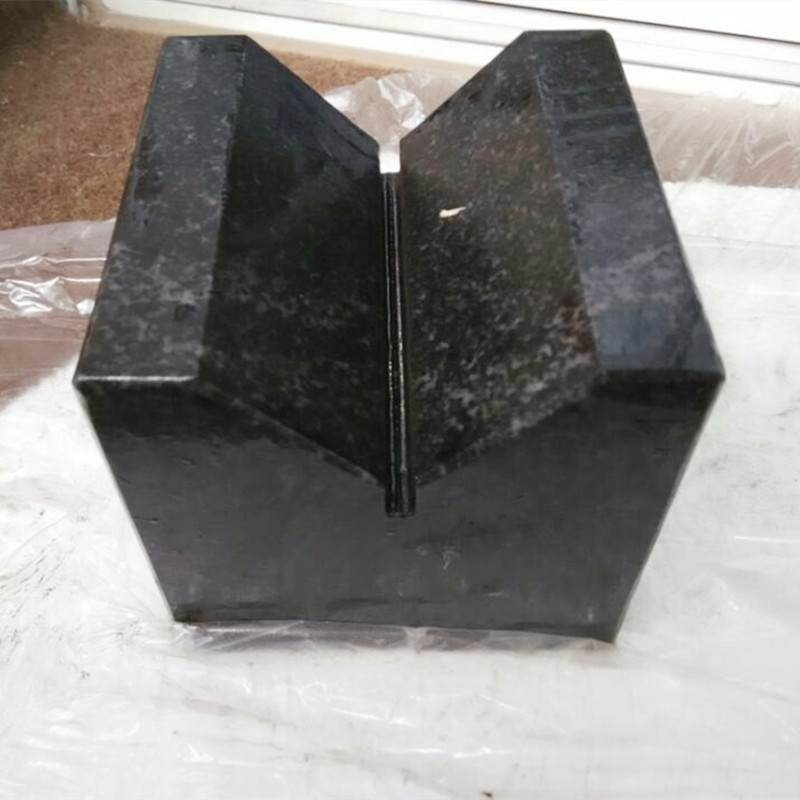
12mm mirror price
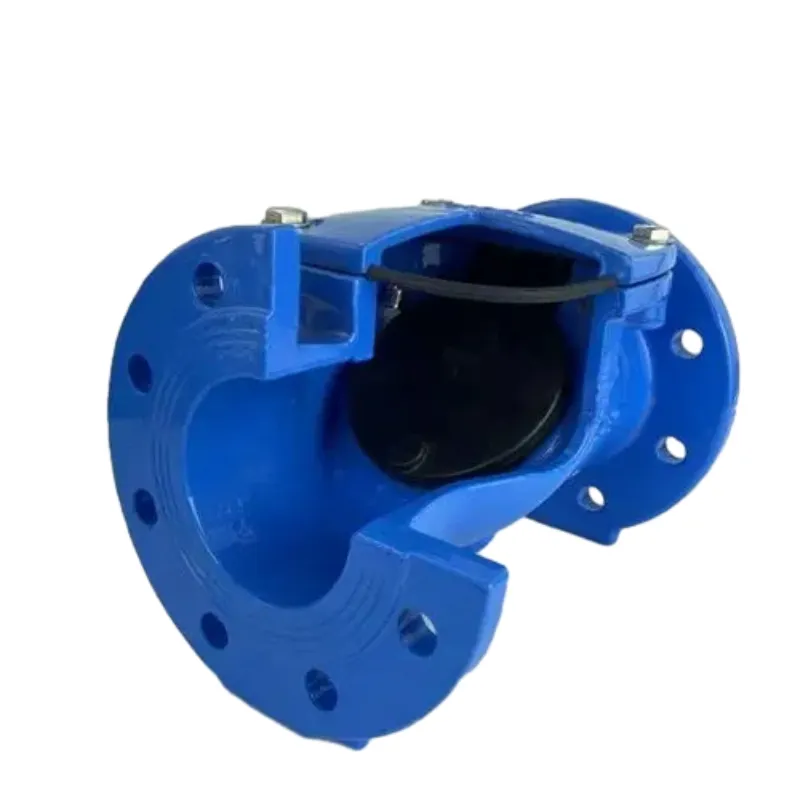
Understanding Pilot Operated Check Valves Pilot operated check valves are essential components in hydraulic systems, providing a robust solution for controlling the flow and preventing backflow. These valves combine the features of a standard check valve with those of a pilot control mechanism, enhancing their functionality and application in various industries. This article explores the operation, advantages, and applications of pilot operated check valves. Operation Principle A pilot operated check valve consists of two main parts the main valve and the pilot valve. The main valve is responsible for allowing fluid flow in one direction while preventing any reverse flow. The pilot valve, on the other hand, is controlled by external signals and modifies the conditions under which the main valve operates. When the system is pressurized in the desired flow direction, the pilot valve opens, allowing the pressure to act on the area beneath the main valve disc, keeping it in an open position. This design allows for normal operation, where fluid flows through the valve with minimal resistance. However, if the flow attempts to reverse, the pressure drops, and the pilot valve closes, allowing the main valve to shut and preventing backflow. This unique operation ensures that the system maintains its integrity and operates efficiently under various conditions. Advantages of Pilot Operated Check Valves 1. Minimal Pressure Drop One of the key benefits of pilot operated check valves is their low pressure drop across the valve. Traditional check valves can exhibit higher pressure drops due to their simpler design, which can impede performance in hydraulic circuits. In contrast, pilot operated check valves maintain a smooth flow path during operation, thus optimizing system efficiency. 2. Enhanced Control The ability to control the pilot valve externally means operators can dictate specific operational parameters more precisely. This enhances control over the hydraulic system, allowing it to respond effectively to varying demands and operating conditions. pilot operated check valve 3. Preventing Unwanted Movement In applications where load holding is critical, pilot operated check valves provide reliable protection against unexpected movement . For instance, in hydraulic lifting systems, these valves ensure that a lifted load remains secure in case of a power failure or system malfunction. 4. Versatility Pilot operated check valves are adaptable and can be used in a variety of settings, from construction equipment to industrial machinery. Their versatility makes them a popular choice in industries that require fluid power systems, including manufacturing, automotive, and aerospace. Applications The applications of pilot operated check valves are extensive, spanning a myriad of industries. In mobile equipment, such as excavators and cranes, these valves are crucial for maintaining load stability during operation. They prevent the sudden drop of loads if a hydraulic failure occurs, thereby improving safety and reliability. In stationary hydraulic systems, such as those found in manufacturing plants, pilot operated check valves are used to manage fluid flow in complex piping layouts. Their efficiency helps in reducing energy consumption, making them an integral component in modern hydraulic solutions. Moreover, in the oil and gas industry, these check valves help regulate the flow of fluids in high-pressure environments, ensuring the safe transportation of materials. Their ability to handle high fluid velocities while preventing backflow makes them indispensable in such critical applications. Conclusion Pilot operated check valves offer exceptional control and reliability in hydraulic systems, making them vital components across various industries. Their unique operational mechanism provides numerous advantages, such as minimal pressure drop, enhanced control, and versatility, making them suitable for diverse applications. As industries continue to evolve and demand more efficiency and safety, the role of pilot operated check valves will undoubtedly remain significant in fluid power technology.
about
12mm mirror price
Pipe fitting saddle clamps are an essential component in the realm of plumbing and industrial piping systems. These versatile devices serve as a means to attach additional pipes, valves, or instruments to an existing pipeline without the need for extensive modification or disruption of the system's operation. In this article, we delve into the significance, types, applications, and benefits of pipe fitting saddle clamps, underscoring their pivotal role in maintaining efficient and secure fluid transportation networks. Understanding Pipe Fitting Saddle Clamps A pipe fitting saddle clamp, also known as a pipe saddle or branch saddle, is a specialized attachment designed to provide a secure mounting point on the surface of a pipe. It typically consists of two primary components a saddle piece that fits snugly around the pipe and a branch outlet where a secondary pipe or fitting can be connected. These clamps are made from various materials including stainless steel, carbon steel, plastic (such as PVC or CPVC), or even cast iron, depending on the specific application requirements and the type of fluid being transported. Types of Saddle Clamps Pipe fitting saddle clamps come in several forms to accommodate different pipe sizes, materials, and connection needs 1. **Welded Saddle Clamps** Designed for permanent installations, these clamps are welded directly onto the main pipeline, providing a robust and long-lasting connection point. 2. **Bolted Saddle Clamps** These use bolts or screws to fasten the saddle onto the pipe, allowing for easier installation and potential repositioning if needed. 3. **Clamp-On Saddle Fittings** A more temporary solution, these clamps utilize a tightening mechanism such as a screw or bolt to secure the fitting without welding or invasive modifications. 4. **Insulation Saddle Clamps** Specifically designed for pipes with insulation, these clamps feature an enlarged saddle to accommodate the additional thickness while maintaining a secure fit. Applications and Uses Pipe fitting saddle clamps find extensive use across various industries, including but not limited to - **Plumbing Systems** For adding branches to water supply lines, facilitating repairs or extensions without interrupting service Applications and Uses Pipe fitting saddle clamps find extensive use across various industries, including but not limited to - **Plumbing Systems** For adding branches to water supply lines, facilitating repairs or extensions without interrupting service Applications and Uses Pipe fitting saddle clamps find extensive use across various industries, including but not limited to - **Plumbing Systems** For adding branches to water supply lines, facilitating repairs or extensions without interrupting service Applications and Uses Pipe fitting saddle clamps find extensive use across various industries, including but not limited to - **Plumbing Systems** For adding branches to water supply lines, facilitating repairs or extensions without interrupting service pipe fitting saddle clamp . - **Oil & Gas Industry** In pipelines for monitoring equipment installation, leak detection sensors, or adding auxiliary piping for chemicals injection. - **Chemical Processing** To introduce process control instruments or sampling points while ensuring leak-tight seals in corrosive environments. - **HVAC Systems** For connecting drain lines or adding refrigerant lines to cooling systems. Benefits The adoption of pipe fitting saddle clamps offers several advantages over traditional methods of pipe branching - **Ease of Installation** They allow for quick and straightforward attachment without requiring extensive pipe cutting or complex welding procedures. - **Cost-Effectiveness** By minimizing downtime and reducing the need for specialized labor, saddle clamps can significantly reduce overall project costs. - **Versatility** Available in various sizes and materials, they can be tailored to suit any piping system’s specifications and operational demands. - **Safety and Integrity** Properly installed saddle clamps ensure leak-proof connections, critical in handling hazardous fluids or gases. - **Maintenance and Modification** They facilitate future system modifications or maintenance tasks by enabling easy access and adjustments. In conclusion, pipe fitting saddle clamps are indispensable tools in modern piping infrastructure. Their adaptability, combined with the ability to enhance system efficiency and safety, underscores their importance across diverse industrial and commercial applications. Whether in new constructions or retrofit projects, saddle clamps offer a reliable and efficient means of expanding or modifying piping networks while preserving the integrity and functionality of the system. As technology advances, so too will the design and capabilities of these essential components, further solidifying their position as a cornerstone of efficient fluid transportation solutions.
-

High quality industrial productsagement

High quality industrial products
View Details -

Meet the diverse needs of customers

Meet the diverse needs of customers
View Details -

Strict quality control

Strict quality control
View Details -

Top raw materials

Top raw materials
View Details -

Trusted supplier

Trusted supplier
View Details
Our application
news and information
water hose check valve
Understanding the Importance of Water Hose Check Valves Water hose check valves are essential compon
Wholesale Options for High-Quality Ball Valves at Competitive Prices
The Benefits of Wholesale Ball Valves for Industrial Applications Ball valves are crucial components
v block design
Exploring the V-Block Design A Revolutionary Approach in Architecture In the ever-evolving landscape
 English